Exceeding 1.5C of global warming will have "irreversible" consequences for glaciers, sea ice and the Earth's frozen regions, two UN reports warned on Monday, calling for urgent action.
Many treatments are now extending lives but the measure of progress should not end with a scan or a survival curve Two decades ago, a dear friend called me in a trembling voice. Was there hope for his young nephew, whose cancer had spread to the brain? Sadly, “no”, I said. But today, for such patients, there are options that were unimaginable back then. Recently, researchers at the European Society For Medical Oncology presented the latest chapter results from a randomised controlled trial of a bespoke cancer vaccine for patients with high-risk melanoma. The trial involved 1,137 patients whose
Artificial intelligence emerged as a major issue on the 2026 US midterm campaign trail, with opposition to data centres drawing supporters across partisan divides united over ecological worries, increased…
The brilliant planet is about to join the waning crescent moon and the brightest star in the Virgo constellation Early risers have a beautiful sight to look forward to this week as brilliant Venus joins the waning crescent moon and the star Spica in the morning sky. The chart shows the view looking east-south-east from London at 0600 GMT on 7 November. Venus will be the easiest object to identify, shining brilliantly. Next to it will be Spica, the brightest star in the constellation of Virgo, the virgin, situated about 250 light years from Earth. Continue reading...
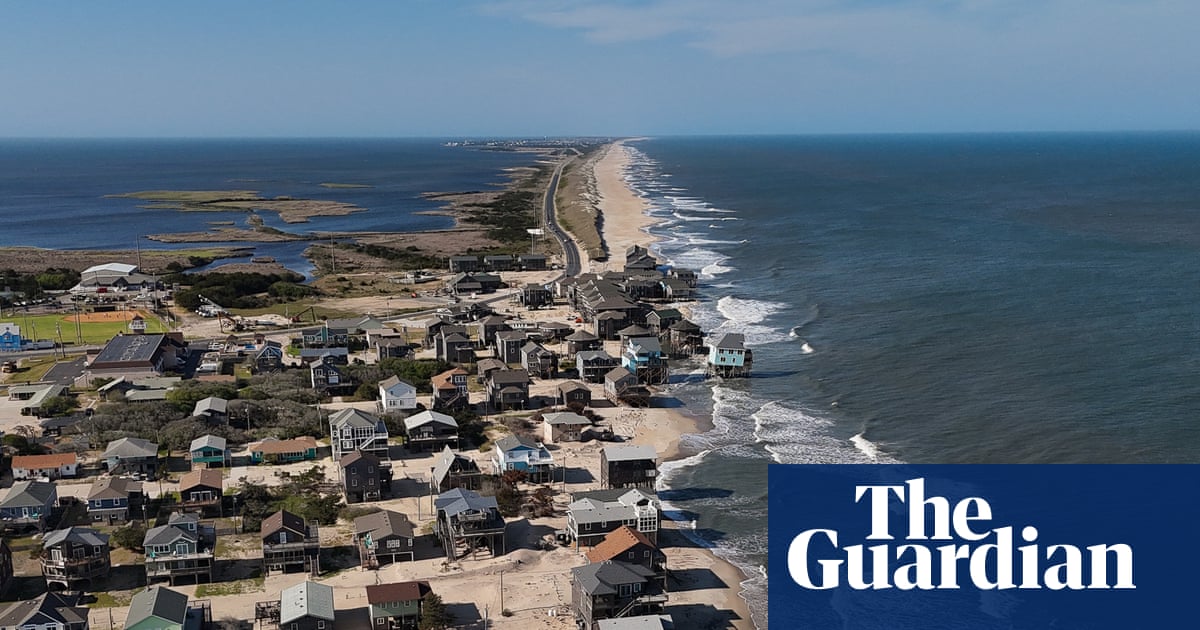
UN-backed report finds even temporary rises above Paris agreement target could cause harm to glaciers and polar ice sheets Earth’s icy regions face such dangerous melting that global heating should be brought back below 1C after an inevitable period of overshooting global temperature targets, a UN report has found. Permanent and widespread losses of snow and ice expose a “persistent myth” that overshooting the 1.5C target of the Paris climate agreement – to 2C or 3C – could be manageable or even preferable to urgent cuts to emissions, the report found. Continue reading...
Dr Marta Shahbazi was travelling to a conference to receive award for scientific excellence in developmental biology An “inspiring” Cambridge scientist died in the Spanish train collision on Wednesday that killed at least 69 people. Dr Marta Shahbazi, 41, an affiliate associate professor at the Cambridge Stem Cell Institute and a group leader at the city’s Medical Research Council Laboratory of Molecular Biology (LMB), was travelling on one of the trains involved in the crash near Urda in Toledo province. Continue reading...