
Category

Science

The latest published reporting in this category.

Science

The Guardian view on 50 years of The Selfish Gene: flawed, outdated, yet still a model of truly popular science writing | Editorial

Richard Dawkins’ first work has thrilled fans and frustrated critics for five decades. The science has moved on, but any writer looking to supplant its place must learn its lessons Richard Dawkins’ The Selfish Gene was not predicted to be a success. Its initial print run, published this week in 1976, was just 5,000. It went on to sell millions, and is perhaps the most influential work of pop-science ever. For 50 years, it has been the go-to resource for the layperson seeking to understand evolution. What accounts for its enduring power? Prof Dawkins’ central claim, that “we are survival machin

The Guardian
Read more
Science

Perfume bottle and child’s necklace among treasures found in Pompeii wardrobe

Archaeologists uncover jewellery, cosmetics and coins in cabinet sealed since eruption of Mount Vesuvius in AD79 Fragments of personal objects, from makeup tools and a perfume bottle to coins and a child’s necklace, have been found tucked away in a wooden wardrobe sealed off for almost 2,000 years in the ruins of Pompeii. The artifacts provide an intimate glimpse of daily life in the ancient Roman city before it was devastated by the eruption of Mount Vesuvius in AD79. The wardrobe was discovered in a room of a home on Via dell’Abbondanza, which was one of the most bustling streets in Pompeii.

The Guardian
Read more
Science

BBC Inside Science

Time is running out for one of the most ambitious environmental pledges in history.

BBC News
Read more
Science

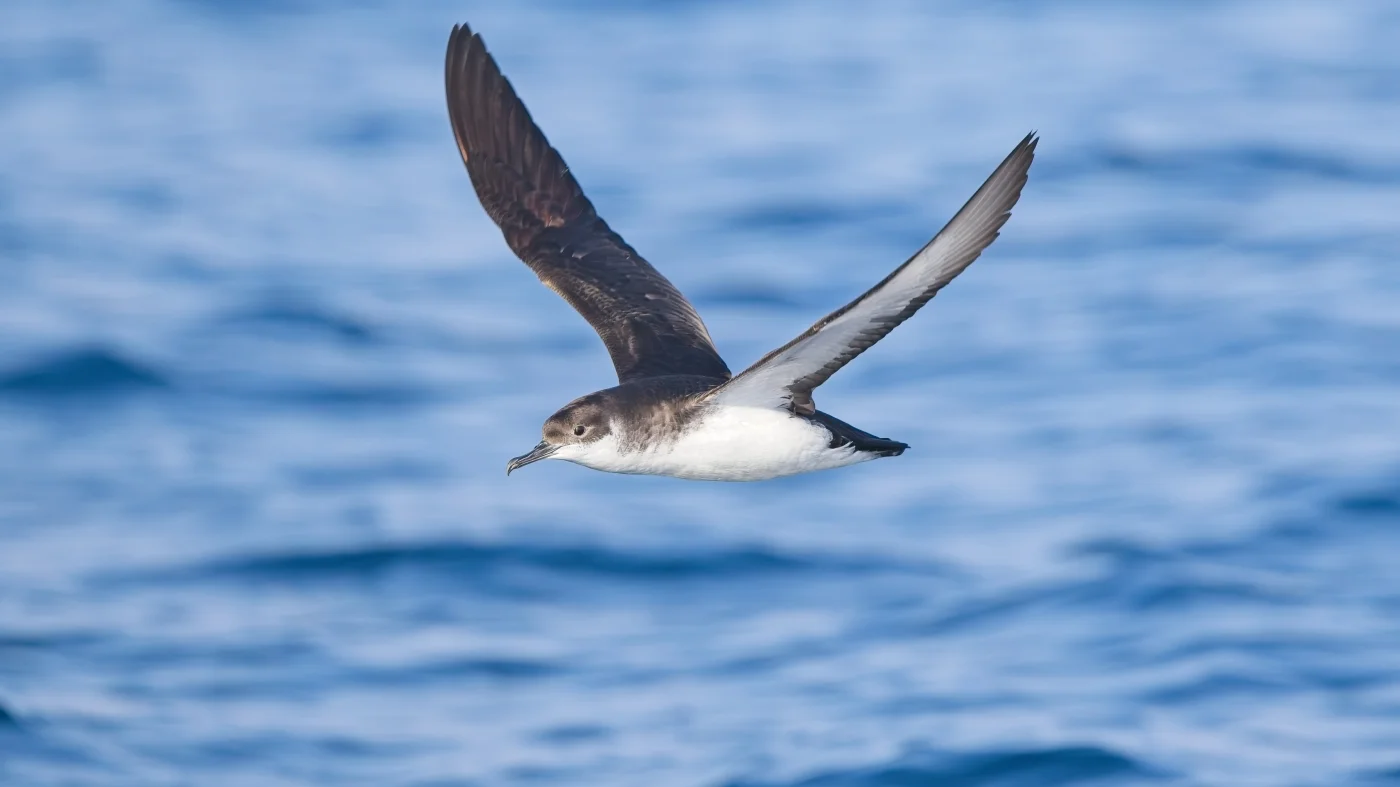
Migrating seabirds face a surprising problem: jet lag

Oxford study shows Manx shearwaters get lost when their body clocks get out of sync Seabirds returning from foraging trips can be thrown hundreds of miles off course by a form of jet lag that arises when their body clocks get out of sync with local time, researchers say. Tracking data from Manx shearwaters on the west coast of the UK revealed that when the birds returned home to their colonies after trips over the Atlantic, their rapid eastward flights disrupted their sense of time and navigation. Continue reading...

The Guardian
Read more