Operation Black Vote chair says Tory leader’s claim that Britain should not apologise has caused ‘hurt and disbelief’
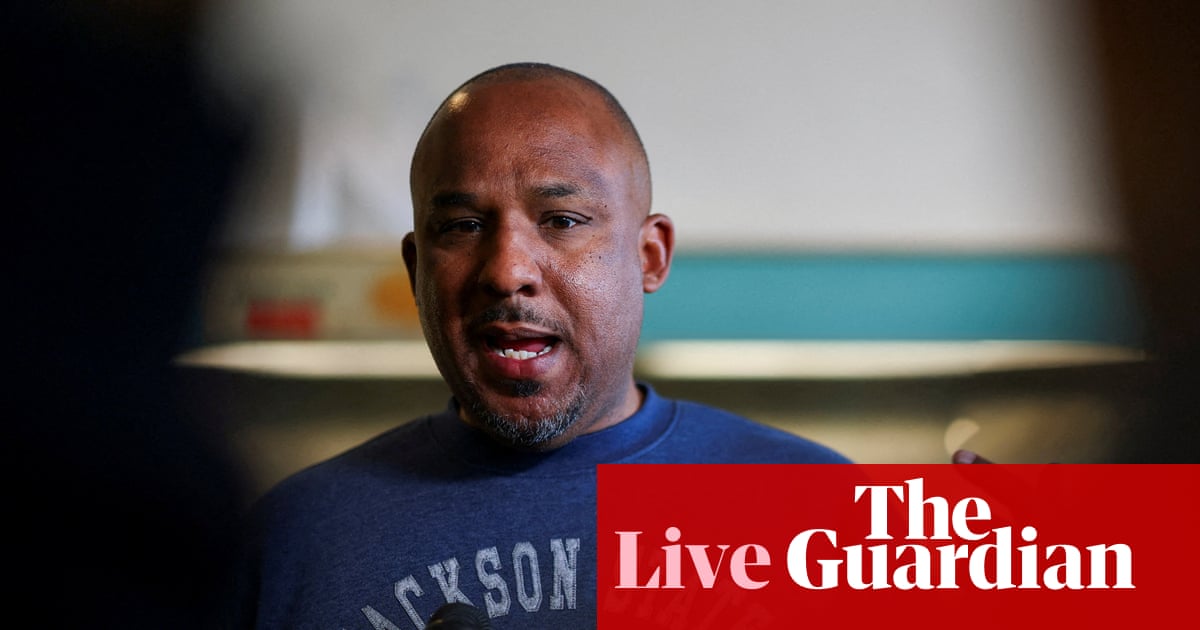
The Conservative leader, Kemi Badenoch, has caused “profound anger, hurt and disbelief” among many black voters with her comments about transatlantic slavery, according to the chair of Operation Black Vote (OBV), who urged the prime minister, Andy Burnham, to apologise for Britain’s involvement without delay.
David Weaver, a former government adviser, said the Labour and Tory leaders risked alienating black voters with their handling of the issue of a state apology for slavery, while saying Badenoch’s remarks showed a “troubling absence of moral leadership”.
In a week in which the UK political agenda was dominated by postcolonial legacies, Badenoch said Burnham should not apologise for Britain’s historical role in slavery “because it is a lever to wedge open the door to ask for cash”, while criticising Commonwealth leaders on X.
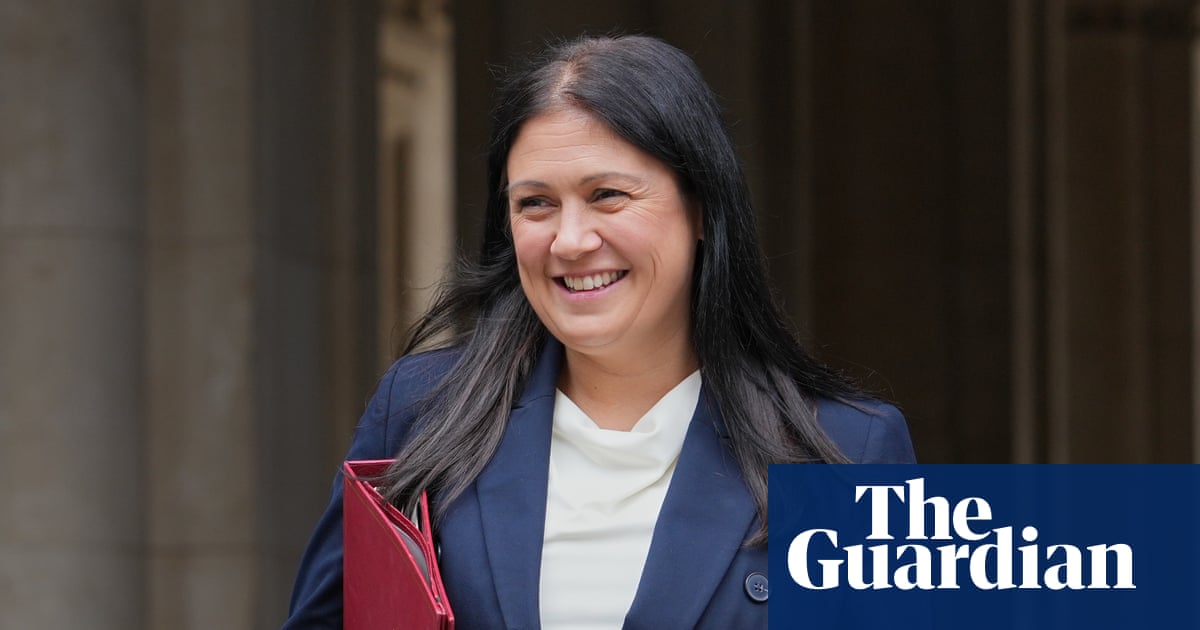
Burnham, while saying he was open to making a formal apology on behalf of the British state, has ruled out reparations. Weaver said he welcomed the prime minister’s apparent willingness to apologise, but said the government’s “almost reflexive insistence” that any apology must come with assurances “reparations are off the table” was concerning.
Weaver said only the prime minister had the power to address the hurt felt by descendant communities and show Britain had the “moral courage to apologise without qualification”.
But he said Badenoch’s comments highlighted wider concerns about the UK’s political climate, adding: “At Operation Black Vote, we are hearing profound anger, hurt and disbelief.”
He added: “For us, this is not an abstract historical debate. It concerns our families, our heritage and our humanity. Political leaders should not underestimate the depth of feeling within black communities or their democratic power.”
Weaver said that in seeking an apology, Commonwealth nations wanted recognition of continuing colonial legacies that hampered development, and that Badenoch’s comments were “profoundly insulting”.
This week marked the second anniversary of Badenoch becoming the first black woman to lead a major British political party. OBV, a national, non-partisan civil rights group founded in 1996, welcomed her historic achievement in becoming Tory leader in 2024.
Meanwhile, although black voters were more likely than any other voters to have backed Labour in the 2024 general election, Weaver said OBV had found they felt “despondent” with the party and “taken for granted”, in particular over its handling of the consequences of the Windrush scandal.
Weaver added: “All parties should understand that to not apologise for slavery, the worst crime against humanity, is an insult. An apology should not have to be begged for. It should be an expression of genuine remorse and moral responsibility, not a carefully managed political statement designed to demonstrate toughness or avoid obligation.
“Reparative justice is not just about money. Ending an injustice does not erase responsibility for perpetrating it. We must ask why acknowledging this particular historical injustice remains so difficult and whether deeper racial attitudes continue to shape the debate.”
Badenoch, who has advocated a “colour-blind” approach to race, has long argued that people from ethnic minorities should be free to express differing views on race without being accused of betraying their communities. But while attempting to frame herself as a unifier, Badenoch has given roles to the hard-right politician Rupert Lowe, Katie Lam – the MP who said a “large number” of legal migrants “need to go home” – and the former neo-Nazi Joshua Bonehill-Paine, while outlining plans to scrap the public sector equality duty and leave the European court of human rights.
Weaver said: “She’s the leader of the Conservative party. That’s a big deal. She’s got a high popularity rating and can be very effective. But many black voters tell us there’s a lot of mistrust for her lack of empathy – and because she will sometimes say things her white counterparts could not say and get away with it. So she becomes the front for unacceptable views on race.
“The current state of public discourse – and the silence when it comes to challenging it – contributes to a sense among black communities that they are being treated with contempt across the political spectrum.
“This is not just about Badenoch. Just because you’re black doesn’t mean you have to hold a particular point of view. But your heritage, whether you are white or black, does not place your views beyond challenge. An apology for slavery is about humanity and decency and seeing people’s worth. Andy Burnham must do the right thing – and soon.”
Downing Street and the Conservative party were approached for comment. Commonwealth leaders have said the UK has agreed to “structured dialogue” in the next year.