
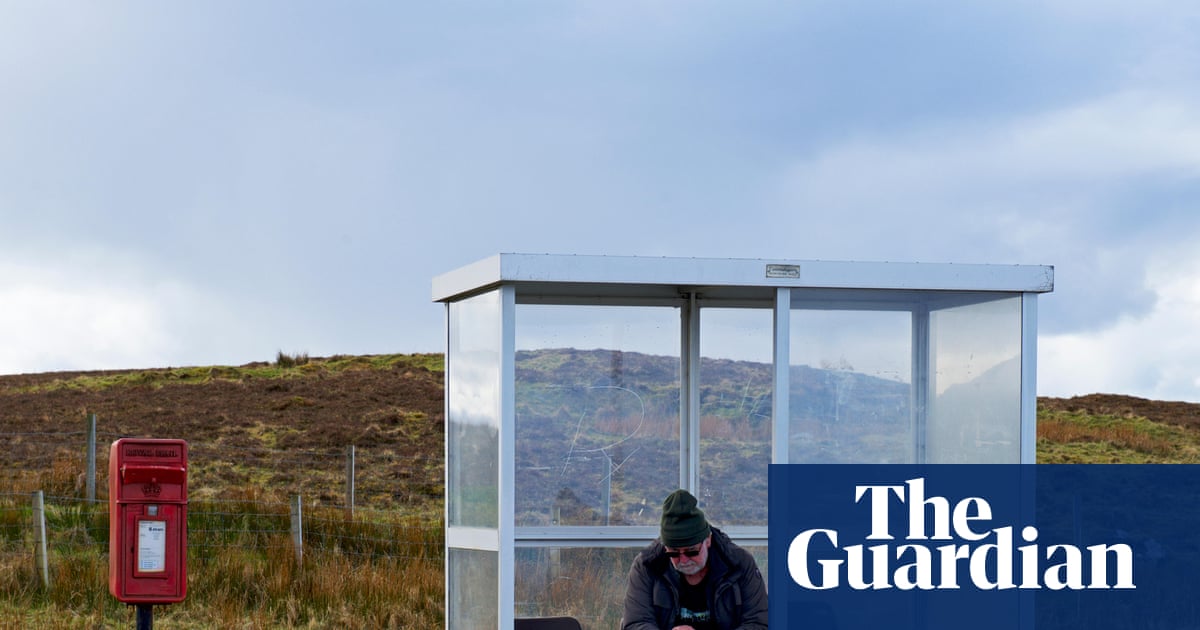
The structures make waiting times feel shorter – and can encourage the use of public transport
A bus shelter is a basic structure intended to give at least minimal protection from wind, sun and rain, though some can be far more elaborate.
Shelters usually have a roof and back or side panels made of steel, polycarbonate or glass to stop rain and snow falling from above.
These shelters are generally less effective when it comes to wind. Side panels can significantly reduce wind chill and discomfort, but open-ended or poorly positioned shelters allow wind to blow through, giving only cold comfort.
Heat can be an issue. A study in Houston in 2025 found that most bus shelters provided good shade from direct sunshine. However, some domed designs actually trapped heat, making them hotter than unshaded areas outside.
Research shows that shelters reduce the perceived waiting time for a bus, with any shelter at all making the wait feel shorter. A bench also cuts the sense of waiting considerably, even though it does not help protect from the elements.
Shelters are not just about making bus travel more pleasant. Effective shelters mean that passengers are more likely to use buses rather than other forms of transport. An investment in better shelters can improve the efficiency and value of a bus service without any change to vehicles or routes.


